Rohingya National League
JUSTICE · DIGNITY · HOPE
Home / About / Rohingya Identity

Rohingya identity

An indigenous people of Arakan with a millennium of history — a language, a culture, and a homeland that no decree can erase.

Who we are

Who are Rohingya of Arakan, Myanmar

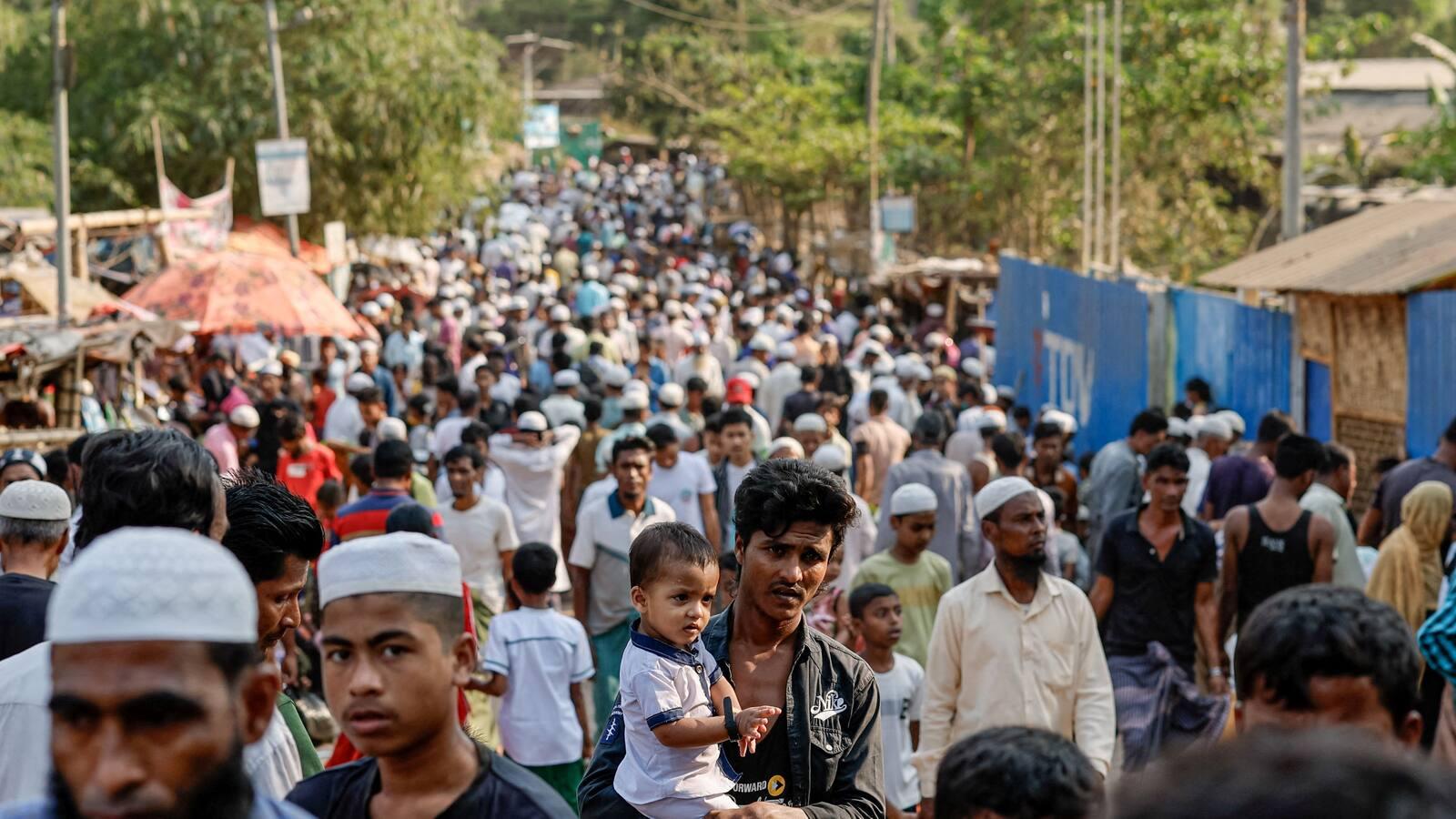
The Rohingya are an ethnic group who have inhabited Arakan (Rakhine) state in Myanmar for centuries. They have their own distinct language, culture, practices and history which represents a specific and combined identity. Despite this history, they have been subjected to centuries of oppression, marginalization, exclusion, discrimination and persecution resulting in the massive displacement and arguably the largest refugee situation of our time in the world, with well over a million refugees now living in camps in Bangladesh, as well as seeking refuge across the continent and globally.

They continue to struggle for the restoration of basic human rights including citizenship, right to mobility, safety and security, right to justice and the right of voluntary, safe and dignified repatriation to their homeland.

Sustained by resilience and optimism, the Rohingya seek to preserve their identities, build solidarity and to participate in a better and more humane world free from repression and human dignity.

1,000+
YEARS IN ARAKAN
3.5M
ROHINGYA WORLDWIDE
1982
CITIZENSHIP STRIPPED
#1
LARGEST STATELESS PEOPLE
What defines us

Pillars of Rohingya identity

01

Language

Ruáingga — with its own Hanifi script — carries our poetry, songs, and oral history. Teaching it to children in the camps and diaspora keeps the nation’s voice alive.

02

Culture & faith

Taranas (folk songs), wedding traditions, cuisine, and Islamic faith woven with coastal Arakan life — customs passed from elders to youth for generations.

03

Homeland

Arakan — its rivers, paddy fields, and coastline — is the anchor of Rohingya identity and the destination of our people’s dignified return.

Our history

A millennium in Arakan

8th–15th c.

Early Muslim settlement in Arakan

Traders and settlers establish Muslim communities along the Arakan coast; Rohingya culture takes root.

1430–1784

Kingdom of Mrauk-U

Muslims serve at the Arakanese royal court; Rohingya language and literature flourish alongside Buddhist neighbors.

1948

Independence of Burma

Rohingya are recognized as citizens; community members serve in parliament and public office.

1982

Citizenship Law renders Rohingya stateless

The military government excludes the Rohingya from its list of recognized ethnic groups, stripping citizenship en masse.

2017

The August crisis

Military operations drive over 700,000 Rohingya into Bangladesh in weeks — recognized by many governments as genocide.

Today

A nation preserving itself

In camps and diaspora, Rohingya teach their language, document their history, and organize for a dignified return.

Our language

Ruáingga — the voice of a nation

The Rohingya language is spoken by millions but was long denied a place in schools. The Hanifi Rohingya script, developed in the 1980s, gave it a written form of its own — now part of Unicode and taught in camp classrooms and diaspora weekend schools.

Insáf
JUSTICE
Izzot
DIGNITY
Ummid
HOPE
Culture in pictures

Life, craft, and celebration

Tarana folk songs

Cuisine of Arakan

Wedding traditions

Weaving & craft

Help preserve a nation's identity.

Support language classes, cultural archives, and education for Rohingya children.